Kia Ora Whanau
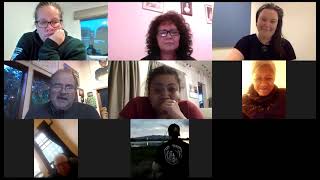
Te Runanganui o Ngati Hikairo held a Question and Answer session last night on COVID 19 with prominent Māori Medical professionals, Dr Rawiri Jansen, Dr Jade Tamatea and the Chief Executive, Raukura Hauora, Terina Moke. The discussion we had amongst our whanau yielded the following themes:
Evidence behind the vaccine;
Dr Rawiri advised whanau the reason the vaccine was developed so quickly is due to:
- The COVID 19 vaccine was developed from a proven vaccine with over 10 years of research;
- The Governments around the world had put in a lot of money to drug companies to fast track the vaccine development; and
- The vaccine was tested at a time when the virus was rampant, on over 45,000 people;
- Now the vaccine has been given to millions of people around the world.
Both Dr Rawiri and Dr Jade say the vaccine is safe for us.
What are the side effects of the vaccine?
Dr Rawiri explained the side effects are rare, but do they happen, and we need to be honest about them. These side effects are:
- Whanau do experience minor reactions such as a sore arm or feeling like you have the flu. These are normal.
- Anaphylaxis reaction which is an allergic reaction to the vaccine. This can happen but is rare. If it did happen there is an easy treatment of adrenalin. This is why whanau are asked to wait for 15 minutes after their injection. If it doesn’t happen in that time, it will not happen after you leave.
- There is a more serious condition of Myocarditis which is the inflammation of the heart muscle. This generally only occurs in young men aged 18-30 years of age. The research shows that only 12 in 1 million have experienced this reaction and usually occurs 2 weeks after the vaccine. This reaction is treatable. There has been one person in New Zealand who died of this reaction and the patient was female over 50. This is an anomaly and unusual.
Dr Jade said that all reactions are recorded, investigated, and monitored within the health system. This gives them confidence that while there are potential side effects, these are minor or rare and treatable. However, the truth is that in some extremely rare cases these reactions can be life threatening.
Dr Rawiri and Dr Jade say if you are concerned, please have the conversations with your General Practitioner, Nurse Practitioner or Nurse. They can help you make the best informed decision for you and your medical situation.
I have complex medical conditions will it be safe for me?
Dr Rawiri and Dr Jade say that if you have serious health issues such as COPD or Diabetes and you get COVID then you are at more risk than ever of becoming extremely unwell. Dr Rawiri said there has been no evidence that people with these conditions will have any adverse reactions to the vaccine.
Dr Rawiri and Dr Jade encourage those whanau with serious health conditions to get vaccinated as it will protect you more from the impacts of COVID. They say talk to your Doctor, Nurse Practitioner or Nurse to talk about your concerns.
I am on multiple medications will this be affected by the vaccine?
Dr Jade says that the research and testing has been carried out on people who have a wide range of conditions, and it has been found that there has been no impact on these medications.
The choice of getting vaccinated when my kids are not vaccinated?
Dr Rawiri said the best I can do to look after your babies is to look after you. So, get vaccinated and that he hopes that soon the vaccine will have been proven safe and effective for tamariki. He is confident soon that a vaccine will be available to our tamariki but look after yourself so you can look after your tamariki.
Rangatahi are choosing to get vaccinated what can we do about it?
Rangatahi are encouraged to get vaccinated to protect themselves and their whanau. Whanau discussed what happened during the 1918 pandemic where whole generations had died and tamariki were left to be cared by whanau.
Terina Moke and Gareth Seymour shared their experiences. Terina’s great grandparents opted to have their tamariki vaccinated and because of that both her and her sister are here today. Gareth shared that his great grandparents died of the pandemic and his great great grandfather Taui was left to bring up the tamariki.
The whanau attending the Q & A hoped that Rangatahi consider the impact for themselves in keeping well, whanau and whakapapa.
Trust of the information we hear;
Terina Moke indicated that their experience has been that the information delivered to whanau is best provided by those that they most trust. So, Raukura Hauora are working to ensure that the right people give the right messages in the right way.
Dr Jade encouraged whanau to talk to one another about COVID and the vaccine, encourage one another and make the choice to get vaccinated.
How can we help out?
Terina said stay home under level 3 and comply with these requirements that way we will keep all our whanau safe.
Be kind and support one another – do not go onto Facebook and post information about whanau that have or been exposed to COVID. The problem is the disease not the people – you may not even know you have been exposed to COVID as not everyone shows symptoms.
You don’t have to be a medical professional to help and Raukura Hauora need kaimahi who are able to reach out to whanau, but you need to be fully vaccinated.
Where to from here?
Terina advised that Raukura Hauora will be back in Kawhia on Saturday morning at 10am at Maketu Marae to do testing and vaccinations. She encourages whanau to take the opportunity to come down to the Marae.
Dr Jade encourages whanau to talk to one another about the vaccine and support one another to make that decision. Her advice is to get vaccinated.
Dr Rawiri believes the delta variant of COVID 19 is highly contagious and will spread rapidly throughout the Waikato if not nationally within a matter of weeks. With this in mind he absolutely encourages all whanau to get vaccinated.
Dr Rawiri does say that this a personal choice and up to you all to make the decision on vaccination but for all the reasons he discussed in the Q & A, Māori are the most vulnerable in our community where we have high rates of other health conditions and most importantly, we are protecting our future whakapapa.